Your Guide to Fresno Plumbing Services
Key Plumbing Tips: How to Steer Clear of Common Household Plumbing Issues
Homeowners often encounter numerous plumbing issues that can lead to costly repairs. Grasping essential preventive practices is crucial for maintaining a functional plumbing system. Regular inspections and simple maintenance tasks can go a long way in avoiding major problems. Having the appropriate tools and understanding, homeowners can handle numerous issues on their own. However, knowing when to seek professional assistance is equally important. The following insights will provide a clearer path to efficient plumbing care.
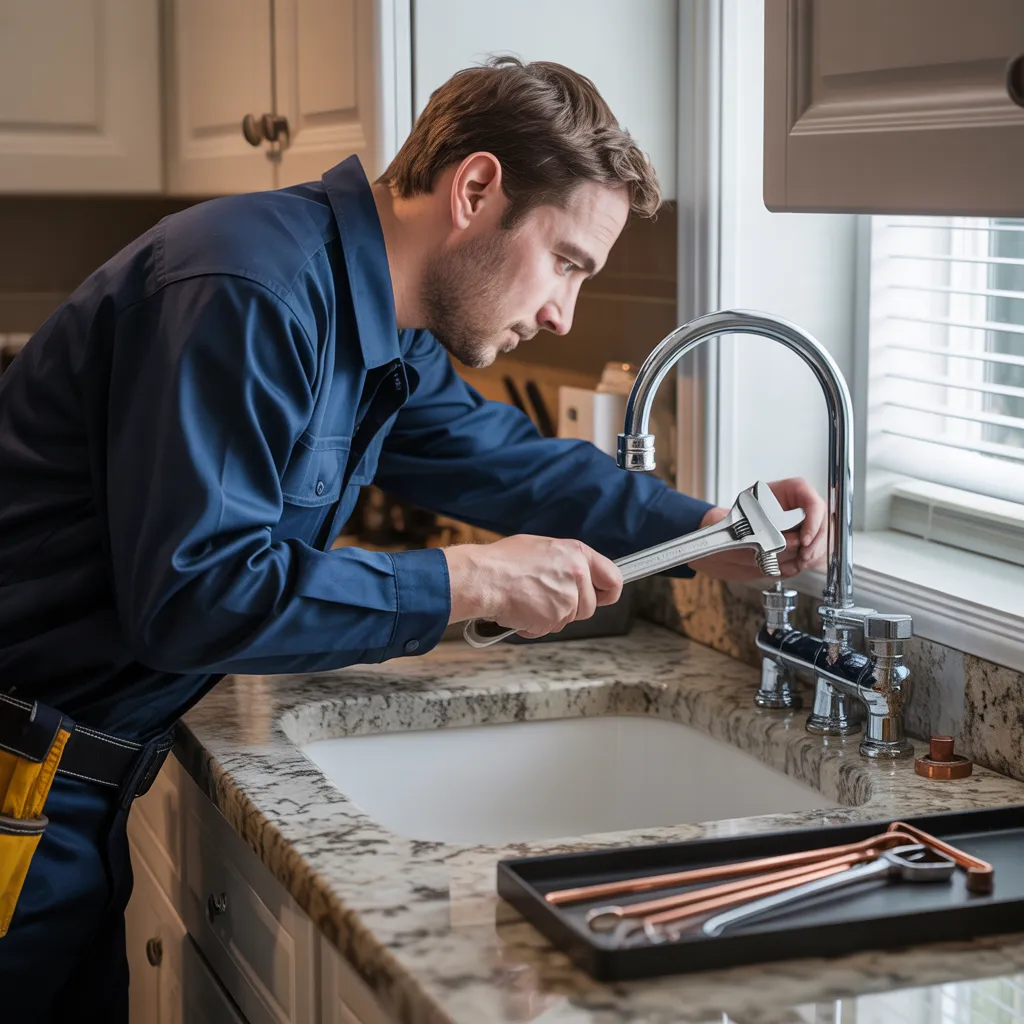
Key Plumbing Tools That Every Homeowner Should Have
When homeowners encounter plumbing issues, having the right tools on hand can make all the difference. Key tools for addressing everyday plumbing issues include a plunger, which is vital for clearing clogged drains, and a pipe wrench, which delivers the leverage required for securing or removing plumbing connections. A basin wrench is additionally beneficial for navigating restricted spaces and tightening faucet fittings.
Furthermore, a set of adjustable wrenches provides adaptability across different sizes of nuts and bolts. Homeowners are encouraged to purchase a plumbing snake to handle stubborn clogs deep within pipes. Teflon tape serves as another must-have item, ideal for creating leak-proof connections. To round things out, a reliable bucket can be useful for controlling spills that occur during repairs. Having these essential tools on hand allows homeowners to handle minor plumbing problems quickly, which can save both time and money while reducing stress.
Avoiding Frequent Plumbing Problems
Property owners can greatly minimize the risk of plumbing complications by adopting proactive maintenance habits. Consistently checking pipes and fixtures for signs of leaks can assist in detecting issues before they find here worsen. Ensuring that drains are clear of debris helps avoid clogs and encourages proper water flow. It is wise to place strainers in sinks and bathtubs to trap hair and food remnants, which commonly cause drainage blockages.
Moreover, homeowners are advised to routinely inspect the water pressure with a pressure gauge, as overly elevated pressure can damage pipes and result in leaks. Performing annual water heater flushes clears away sediment deposits, improving efficiency and extending lifespan. Wrapping exposed pipes in colder regions can guard against freezing and bursting during the cold winter months. As a final point, knowing where the main shut-off valve is located can save time and mitigate damage in case of emergencies. By implementing these preventative measures, homeowners can preserve their plumbing systems and sidestep expensive repair bills.
Essential DIY Plumbing Tips for Homeowners
Many homeowners can take advantage of key DIY plumbing techniques that empower them to tackle minor issues independently. First, keeping a plunger and a drain snake handy can successfully clear blockages. Every homeowner should be aware of how to shut off the water supply to avoid flooding during repairs. Routinely inspecting for leaks beneath sinks and near toilets can prevent water wastage and damage. Applying a combination of baking soda and vinegar can assist in keeping drains clear without harsh chemicals.
In the case of minor fixes, including replacing a faucet or addressing a running toilet, homeowners should familiarize themselves with basic tools like wrenches and screwdrivers. Additionally, understanding the layout of plumbing systems can aid in identifying issues quickly. Finally, maintaining a clean and organized workspace will enhance efficiency during any plumbing project. These essential DIY tips can save time and money while ensuring a well-functioning home plumbing system.
When Should You Call a Pro for Plumbing Help?
How can one determine the right moment to contact a plumbing expert? Recognizing the signs of a serious plumbing issue is essential for homeowners. If a small leak grows into a major water flow, or if recurring obstructions defy all self-help solutions, it's necessary to contact a plumbing specialist. Strange sounds coming from your pipes or foul sewer scents can indicate underlying issues that demand professional attention. Additionally, if the water pressure becomes inconsistent or disappears, this may suggest a significant problem beneath the surface.
Homeowners should also seek professional help when plumbing work requires intricate installations or significant repairs that exceed their abilities. Disregarding these indicators can cause increasingly costly repairs and harm to the home. At the end of the day, recognizing when to bring in an expert ensures plumbing concerns are resolved quickly and properly, preserving both the home's condition and the homeowner's peace of mind.
Know the Basics of Your Home's Plumbing System
Understanding the basics of a home's plumbing system is essential for proper upkeep and problem-solving. A standard residential plumbing system includes various components, including pipes, fixtures, and appliances. The central water supply line delivers fresh water, while drain lines channel wastewater out. Homeowners should learn about the location of shut-off valves to swiftly manage potential leaks or emergencies.
Additionally, recognizing the differences between supply and drain systems can help identify problems. Supply lines carry pressurized water to fixtures, while drain lines rely on gravity to remove waste. Regularly checking for signs of wear, such as corrosion or leaks, can prevent larger problems down the line. Knowledge of how these systems work enables homeowners to make educated choices about upkeep and repair work, ultimately saving time and reducing costs. By grasping these fundamentals, they are better equipped to address their plumbing demands and avoid common pitfalls.
Seasonal Checklist for Plumbing Maintenance
Regular seasonal plumbing upkeep is critical for preventing costly repairs and ensuring a home's systems function efficiently. Homeowners ought to regularly check pipes for leaks, review the condition of their water heater, and clean gutters and drains to prevent clogs. This forward-thinking method can substantially extend the lifespan and performance of plumbing systems.
Examine Pipes For Leaks
Checking pipes for leaks is a critical part of keeping a home's plumbing system in good condition. Property owners should periodically examine both accessible and hard-to-reach pipes, particularly in spots like basements, under sinks, and around plumbing fixtures. Indicators of leaks can involve water discoloration, moisture buildup, or the presence of mold. Utilizing a flashlight can help identify small cracks or drips that may otherwise go unnoticed. Homeowners should also track their water bills for any unexpected rises, which could suggest the presence of unseen leaks. As an extra safety measure, homeowners might think about setting up leak detection devices that notify them of any moisture buildup. Quickly resolving any identified leaks is essential to avoiding more serious problems, including structural deterioration or mold spread, safeguarding the plumbing system over time.
Inspect Water Heater Operation
Consistently monitoring the water heater function is crucial for ensuring efficient plumbing in any home. Homeowners should inspect the thermostat settings to verify they are set to the recommended temperature, typically around 120 degrees Fahrenheit. This not only saves energy but also eliminates scalding risks. In addition, checking the pressure relief valve for correct function is essential; a faulty valve can lead to hazardous pressure accumulation. Sediment buildup can also reduce efficiency, so performing an annual tank flush is advised to extend the unit's lifespan. Moreover, examining for leaks or corrosion around the heater can prevent more significant issues down the line. By regularly monitoring these aspects, homeowners can be confident their water heater functions properly and securely.
Unclog Gutters And Drains
Preserving clean drains and gutters is essential for avoiding water damage and guaranteeing adequate drainage around the home. Over time, debris such as dirt, leaves, and twigs can build up, impeding water flow. Such a blockage may result in overflow, leading to potential damage to the walls, roof, and foundation. Routine inspection and cleaning, especially before heavy rainfall or seasonal changes, are critical. Homeowners may want to consider using a strong ladder to reach gutters safely or hiring professionals for thorough maintenance. Furthermore, fitting gutter guards can minimize debris buildup and lower cleaning frequency. Properly functioning drains are equally essential; keeping them free from clogs can avoid unpleasant odors and backups, supporting a healthier home environment.
Sustainable Plumbing Practices for an Eco-Friendly Household
A growing number of homeowners are acknowledging the need for sustainable plumbing solutions to encourage green living. Incorporating water-saving fixtures, such as dual-flush toilets and low-flow faucets, substantially minimizes overall water use without diminishing effectiveness. Additionally, the implementation of greywater systems facilitates the recycling of water from showers and sinks for garden irrigation, further conserving resources.
Consistent maintenance is vital; repairing leaks quickly can conserve gallons of water and lower utility costs. Homeowners may also want to use biodegradable drain cleaners to steer clear of harsh chemicals that damage the environment.
Selecting eco-friendly alternatives, like bamboo and recycled materials, for plumbing repairs and installations promotes a more sustainable home. Moreover, insulation of pipes limits energy loss, boosting overall efficiency. By embracing these eco-friendly plumbing methods, homeowners not only support environmental preservation but also foster lasting savings and improved efficiency in their homes.
Questions We Are Often Asked
How Can I Identify Concealed Leaks in My Home?
To uncover hidden water leaks, homeowners can check water bills for sudden rises, check walls and ceilings for signs of dampness, be alert to odd sounds coming from pipes, and use moisture meters or infrared cameras to detect possible problems.
What Are the Signs of a Clogged Sewer Line?
Indicators of a compromised sewer line encompass drains that empty slowly, unusual gurgling from plumbing fixtures, backed-up sewage, foul smells, and standing water collecting in the yard. Such symptoms indicate a obstruction necessitating immediate professional intervention to avoid significant damage.
How Frequently Should I Flush My Water Heater?
Homeowners are advised to perform an annual water heater flush to clear out sediment deposits. Regular maintenance helps enhance efficiency and prolongs the unit's lifespan, maintaining peak performance and reducing the risk of potential issues related to mineral buildup over time.
Can I Use Chemical Drain Cleaners Safely?
Chemical drain cleaners may be used without issue, but vigilance is necessary. Overuse may damage pipes and lead to hazardous fumes. For recurring blockages, considering other approaches or reaching out to a professional is generally the best course of action.
Why Is My Home Experiencing Low Water Pressure?
Low water pressure in a home can result from various factors, like obstructed pipes, leaks, malfunctioning fixtures, or municipal supply issues. Identifying the specific cause is essential for efficiently bringing water pressure back to normal.